
সংবাদ শিরোনাম : Remittance Inflow Surpasses $10 Billion in Current Fiscal Year, Growing by 13.1%
Staff Reporter | AdChannel24.com
Publication Date:16 October 2026
Remittances from Bangladeshis working abroad remain one of the country's major sources of foreign exchange earnings. During the first three and a half months of the 2026–27 fiscal year, remittance inflows to Bangladesh surpassed US$10 billion. According to the latest statistics from Bangladesh Bank, the country received a total of US$10.108 billion in remittances between July 1 and October 14, 2026. During the same period of the previous fiscal year, the amount stood at US$8.937 billion, representing a year-on-year growth of 13.1 percent.
The figures were reported by Bangladesh Sangbad Sangstha (BSS) on October 15. The growth is considered significant in view of the country's foreign exchange earnings, the contributions of expatriate Bangladeshis, and the overall performance of the external sector.
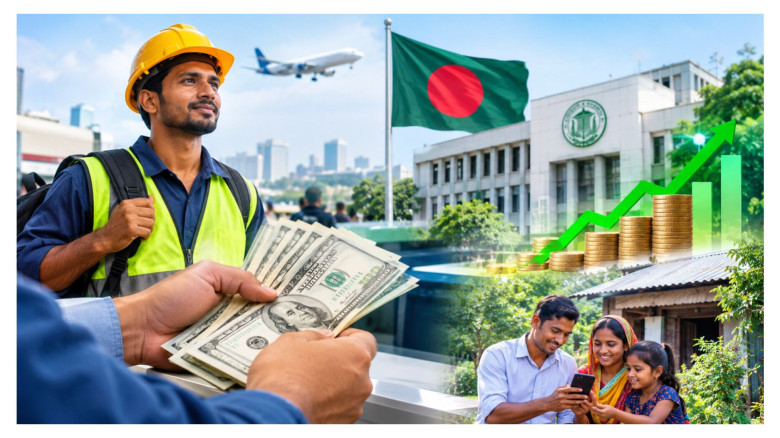
Remittances play a multifaceted role in Bangladesh's economy. Money sent home by Bangladeshis working overseas helps their families cover everyday expenses, education, healthcare, housing, and other essential needs. At the same time, these inflows contribute to the country's foreign exchange supply and help maintain the balance of international transactions.
According to Bangladesh Bank data, Bangladesh received US$1.516 billion in remittances during the first 14 days of October. The figure was US$1.351 billion during the corresponding period in 2025. This represents a year-on-year increase of 12.2 percent in remittance inflows during the first two weeks of October. On October 14 alone, expatriate Bangladeshis sent US$111 million to the country.
The latest figures indicate that the positive trend in remittance inflows has continued since the beginning of the current fiscal year. However, whether this growth will continue throughout the year will depend on employment opportunities in overseas labour markets, job conditions for Bangladeshi workers, the use of formal channels for sending money, and the global economic environment.
Remittance inflows also influence Bangladesh's foreign exchange reserves. Higher remittance receipts can strengthen the supply of foreign currency, potentially helping the country meet import payments, manage international transactions, and ease pressure on the external sector. However, an accurate assessment of the country's reserve position also requires consideration of export earnings, import expenditure, foreign debt repayments, and other external transactions.
The benefits of remittances extend to families and local economies across Bangladesh. Many households use money received from relatives working abroad to support agricultural activities, establish small businesses, construct homes, and invest in their children's education. As a result, remittances serve not only as a source of foreign exchange but also as an important driver of domestic economic activity.
To maximise the economic benefits of remittances, it is essential to expand overseas employment opportunities, develop a skilled workforce, and make it easier for expatriates to transfer money through safe and formal banking channels. Reducing recruitment costs for overseas workers and expanding access to new labour markets could also strengthen the country's remittance base over the long term.
Overall, the receipt of US$10.108 billion in remittances between July 1 and October 14 of the current fiscal year marks a significant development for Bangladesh's economy. The 13.1 percent growth compared with the corresponding period of the previous fiscal year highlights the positive momentum in remittance inflows. However, to secure the long-term benefits of this growth, Bangladesh also needs sustained progress in exports, investment, employment, and productive sectors.